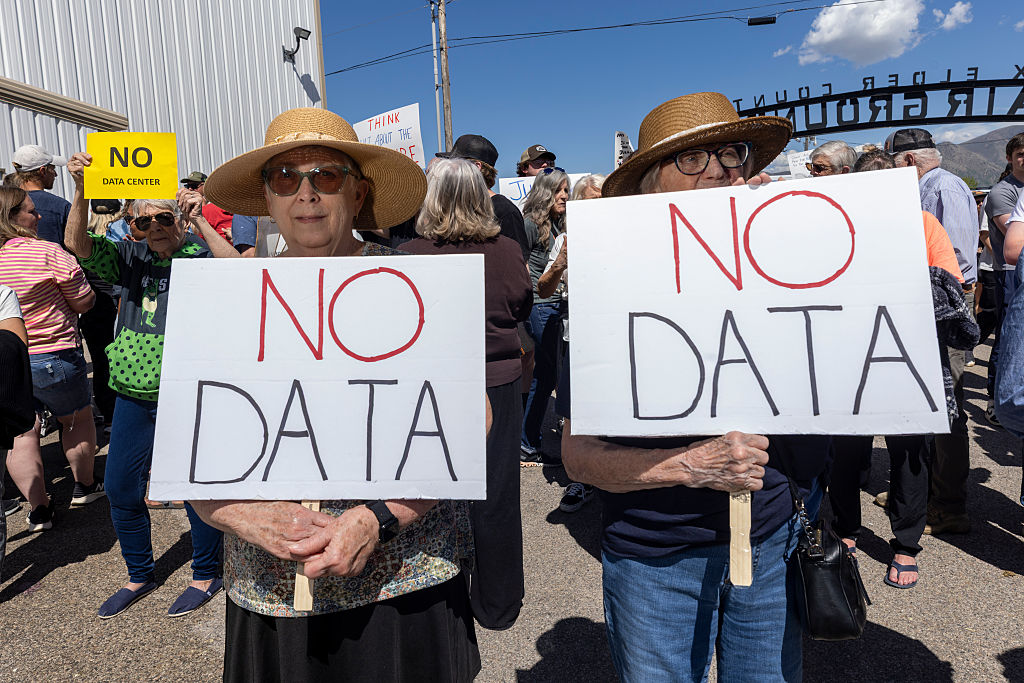
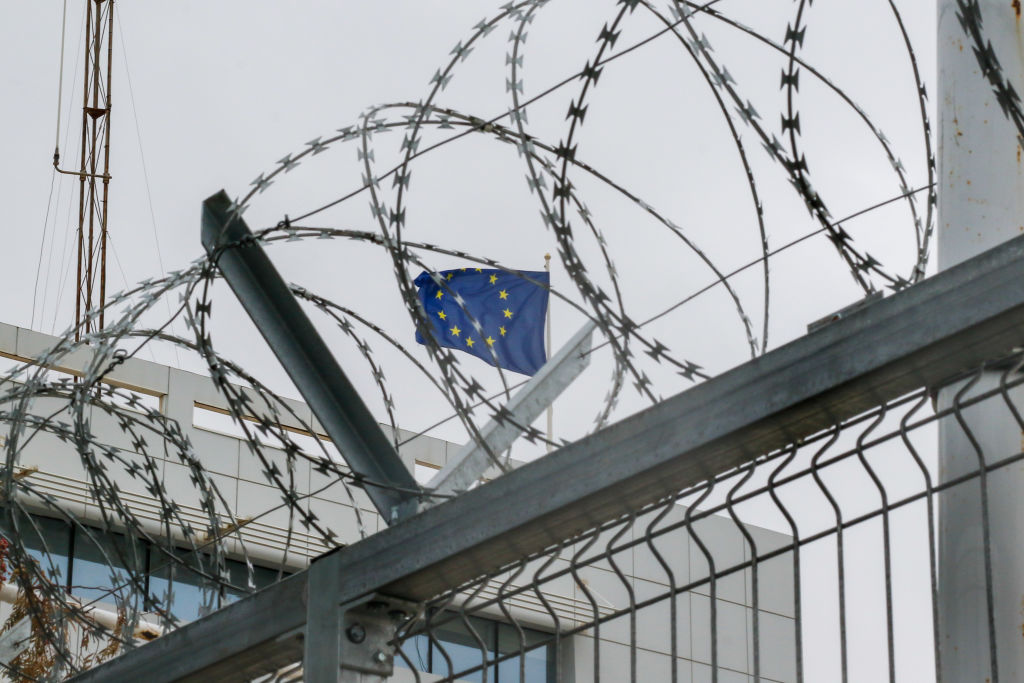
Ten years ago, in response to the arrival of hundreds of thousands of people fleeing the repression of the Arab Spring, the EU instigated the “hotspot” policy. As I wrote back then, the term “hotspot” can be traced back to New York’s 1980s zero-tolerance policy and the first introduction of computing into police operations. The idea was that instead of responding to crimes after they happen, police units sit and wait at predicted “hotspots” to intervene before a crime happens. In 2016, the name was applied to a new method of detaining people on arrival in Europe, enforcing mass fingerprinting, screenings, and smuggling investigations. The “crime” was illegal entrance, the “heat” was simply people, and the “spots” were Mediterranean islands, from Lesbos to Lampedusa. For a decade, the hotspots have staggered onward without any proper definition under EU or national laws, a legal limbo in a political mess.

 RetroFed

 return2ozma









 BrikoX









 sanitation



 🦊 OneRedFox 🦊
 CurlyWurlies4All
















 Lemmynated