*
I wrote a full technical breakdown of the CISA/Nightwing GitHub credential leak that dropped last week. Sharing here because the coverage mostly stopped at “government agency leaked secrets” without getting into what actually failed at each layer.
This is the longer technical writeup behind CVE-2021-35036. The short CVE summary makes it sound like simple cleartext storage, but the useful part is the access path.
*
“When performing security assessments on HTTP-based applications, whether web, mobile, APIs, or thick clients, the standard workflow is straightforward: put Burp Suite in the middle, and you’re good to go. Most of the time, that’s all you need.
*
**Overview: On May 24, 2026, the data breach notification service Have I Been Pwned (HIBP) integrated a dataset originating from an April 2026 extortion campaign targeting 7-Eleven. The breach, attributed to the threat actor group ShinyHunters, compromised 185,300 unique accounts and resulted in a 9.4GB cleartext data dump following the organization’s refusal to comply with ransom demands.
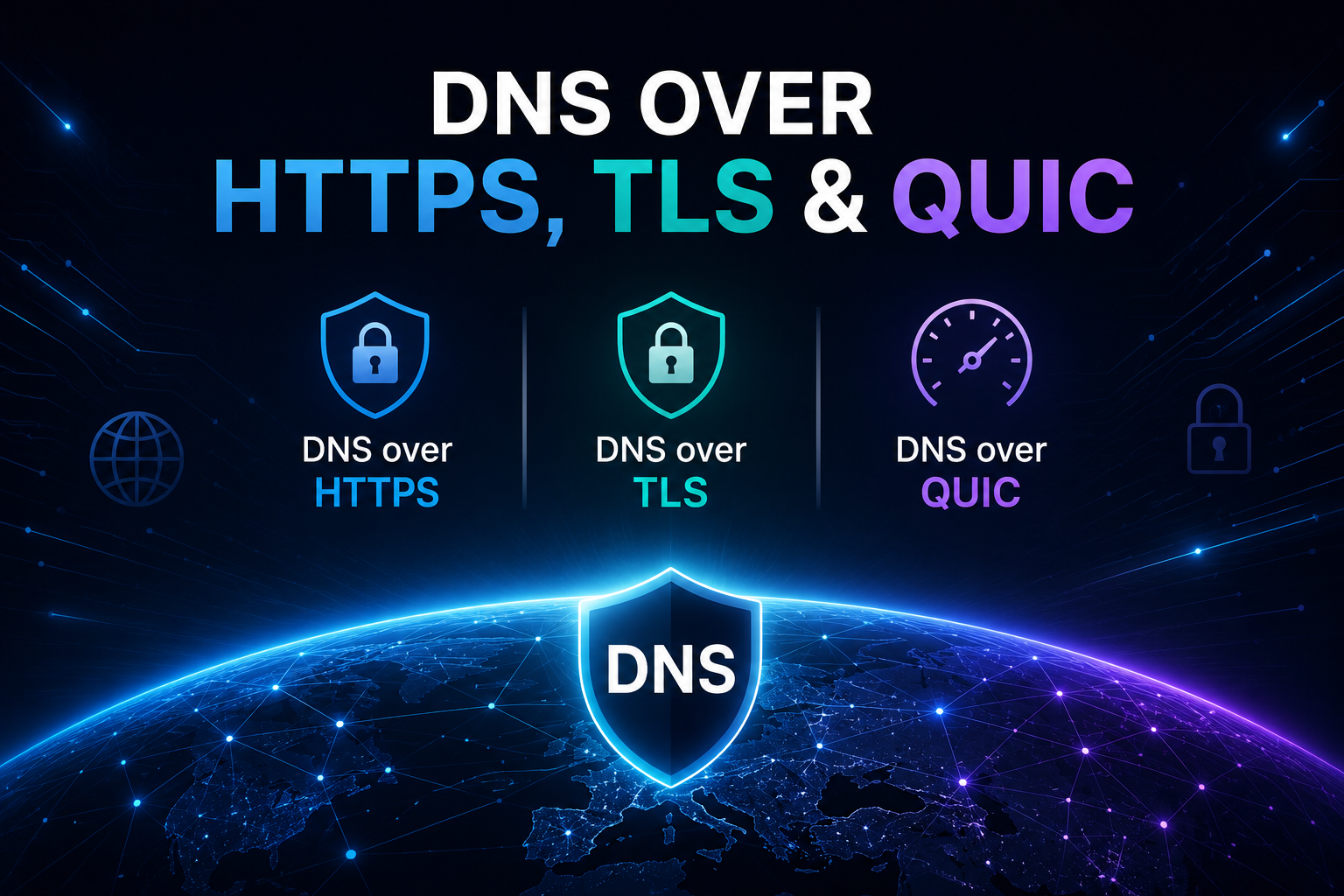
The security angle on encrypted DNS is often oversimplified. DoH prevents ISP-level snooping and basic DNS hijacking, but doesn’t protect against a compromised resolver. DoT is easier to detect and block, which has real implications for threat actors trying to exfiltrate via DNS. DoQ is interesting from a security perspective because QUIC’s connection ID migration makes traffic correlation harder. Article includes benchmark data and practical server config — but mostly written for the “which threat model does each protocol address” question.
*
The Lithuanian Prosecutor General’s Office and the Criminal Police Bureau have initiated a joint investigation into a large-scale data exfiltration incident targeting the **State Enterprise Centre of Registers. The incident involved the unauthorized copying of over 600,000 records from the country’s national Real Estate and Legal Entities Registers.
After FIOD seized 800+ servers and arrested two operators on May 18, the ELLIO research team reports that scanning from the network’s ASN ranges has continued largely uninterrupted - and that while roughly a third of the recently-active ranges (including the legacy Stark blocks 94.131.105.0/24 and 92.118.232.0/24) have since been withdrawn from global routing, the surviving ranges under AS209847 (WorkTitans / THE.Hosting) are still announced and still scanning, at the network’s normal daily rate.
*
I built an independent benchmark with 20 real CVEs across 15 CWE categories, 5 models (3 OpenAI, 2 Poolside Laguna), three prompt conditions: full advisory, behavioral description only, and location only (file and function, no description of the flaw).
We found a cluster of 1,001 IPs across 306 networks and 64 countries, tied to eight shared staging servers and a single TLS and HTTP fingerprint that appears nowhere else, plus smaller botnets that fall into clean separate islands.
 RetroFed